
Aligning Belt and Road Financial Integration with SDGs and Climate Goals

Surprising fact: By October 2023, the initiative extended to 151 countries, representing around $41 trillion in GDP and about 5.1 billion people — a scale that reshaped global trade routes. Here, “facilities connectivity” refers to how Beijing financed and built cross-border systems—ports, rail, and digital links—that bind regions together. This intro outlines what was aimed for between 2013 and 2023, what got built, and where controversies rose.
BRI Facilities Connectivity
Expect a brief trend review: first an early megaproject surge, then a turn toward greener, smaller, and more digital initiatives. We will map policy tools, corridor planning, finance patterns, and who benefited.

This article will weigh the central tension: infrastructure as development leverage versus concerns over debt, governance, and geopolitics. Case studies—CPEC/Gwadar, Indonesia’s high-speed rail, and the Port of Piraeus—ground the analysis.

Belt And Road Facilities Connectivity In Context: What The Belt And Road Initiative Set Out To Do

When Xi Jinping launched the New Silk Road in 2013, he repositioned infrastructure as a tool for shared growth across continents.

Origins And The New Silk Road Narrative

President Jinping used the silk road label to build legitimacy and win partner buy-in. The name helped rebrand many national plans as a single global program.

Scale And Reach By October 2023

By October 2023 the belt road initiative touched 151 countries, covered about $41 trillion in combined GDP, and linked roughly 5.1 billion people. This magnitude turned the effort into a system-level force, not merely a regional push.

Why “Connectivity” Became The Overarching Goal

Connectivity grouped transport, energy, communications, investment flows, and people movement into one policy storyline. The logic was simple: lower time and cost for trade, expand market access, and make cross-border movement more predictable.

Metric Value What It Signals
Participating countries 151 (approx.) Program reach
Combined GDP covered ~$41 trillion Market scale
People reached ~5.1 billion Human scale

The Chinese government framed the initiative as a platform using state finance, SOEs, and diplomacy to deliver projects at scale. Ambition was obvious, but formal policy blueprints were needed to translate vision into real corridors on the ground.

From Vision To Implementation: The Policy Blueprint Guiding BRI Connectivity

The 2015 Action Plan converted a broad policy aim into a clear operating manual for cross-border work. It outlined steps that made planning, finance, and people exchanges practical for a wide range of projects.

Belt and Road Facilities Connectivity

The 2015 Action Plan Objectives

The plan named four targets: improve intergovernmental communication, align infrastructure plans, build soft infrastructure, and deepen people-to-people ties.

Government-To-Government Coordination

Stronger coordination meant national plans aligned at key stages. This reduced political risk and lowered the chance projects stalled after leadership changes.

Aligning Transport And Energy Systems

Alignment efforts focused on linking transportation systems and power grids across borders. The approach aimed to support industrial zones and urban growth with reliable routes and energy.

Soft Infrastructure And Financial Integration

Soft infrastructure included trade deals, harmonized standards, faster customs, and financial integration to smooth cross-border payments and capital flows.

People-To-People Connections

Education exchanges, joint research, and tourism created the human networks needed to staff and sustain long-term projects.

Goal Main Action Expected Outcome
Coordination Intergovernmental forums Fewer abrupt policy reversals
Plan alignment Transport/power mapping Connected routes, steady supply
Soft infrastructure Trade rules plus finance links Easier cross-border trade
People ties Scholarships plus exchanges Local capacity and trust

How The Silk Road Economic Belt And The 21st Century Maritime Silk Road Shaped Routes

Two route systems—overland corridors across Eurasia and maritime networks at sea—set the geographic logic for major investments. This dual-track approach guided where money, equipment, and construction teams focused work over the past decade.
Financial Integration

Overland Links Across Eurasia And Central Asia

Overland corridors focused on rail, highways, and pipelines that cross central asia. These corridors aimed to shorten transit times for exporters and reduce reliance on long sea voyages.

Rail links through Central Asia became crucial as a bridge between producers and markets. Planners often wrapped towns, terminals, and logistics parks into corridor plans.

Maritime Logistics: Ports, Sea Lanes, And Hinterland Links

The Maritime Silk Road approach translated into three operational parts: port expansion, major sea-lane usage, and inland links that make ports functional. Ports functioned as hubs where ships meet rail and road for last-mile movement of goods.

Why Linking Land And Sea Routes Mattered

Linking routes built strategic redundancy. If chokepoints threatened shipping lanes, overland routes could reroute traffic and keep goods moving.

Reliable route options increased predictability for shippers. That helps firms plan inventory, reduce buffer stocks, and stabilize supply chains.

  • The two-route design focused capital on nodes connecting land and sea.
  • Corridors turned route maps into bundled investments—ports, terminals, rails, and customs nodes.
  • On-the-ground projects needed financing, regulation, and operators working in concert.

Economic Corridors And Facilities Connectivity: What “Corridor Development” Meant In Practice

Building an economic corridor meant pairing hard works—roads, rail, ports—with softer measures that make places productive.

Corridor development in practice was a bundle: transport links, logistics nodes, industrial clustering, and policy changes that ease trade. The goal was to turn transit routes into drivers of local growth.

Corridors As More Than Infrastructure

Productive integration explains this plainly. Manufacturing, power supply, and distribution networks were aligned so corridors created jobs and exports, not only transit fees.

Planners added warehouses, customs hubs, and special zones to capture value near the route. That helped move goods faster and supported local firms.

Where Corridor Planning Met Local Development

Local strategies—industrial parks, city-region plans, and land policy—aimed to capture spillovers from corridor projects.

Aspect Goal Risk Illustration
Transport expansion Shorten travel time Underutilization if demand lags CPEC links multiple asset types
Industrial clustering Generate jobs and exports Poor zoning blocks growth Special zones near terminals
Policy changes Faster customs and licensing Reform delays reduce benefits Local alignment of trade rules

Over time, the focus shifted from raw construction to utilization, revenue models, and long-run competitiveness. Corridor-scale work is capital-intensive and typically needs state-linked finance and strong political coordination to move forward.

Financing The Connectivity Push: Chinese Banks, Institutions, And Competitive Bidding

Low-cost, patient capital from Chinese policy banks rewired which projects could start and which stalled. That funding model was central to how many large transport and port projects advanced between 2013 and 2023.

Two policy lenders—China Development Bank (CDB) and the Export-Import Bank of China (EXIM)—received big capital injections. Their bonds trade like government debt and they can access People’s Bank liquidity. This gave them very low borrowing costs and flexible terms.

The result: Chinese SOEs won many bids by offering attractive finance packages. Between 2013 and 2023, about $1 trillion in investment and construction deals were signed with partner countries. That scale made cheap credit a defining feature of the initiative.

Competitive bidding often came down to finance terms as much as technical offers. Recipient governments sometimes preferred faster, lower-conditional loans over longer, conditional multilateral options.

Yet financing didn’t remove implementation risk. Indonesia’s high-speed rail offer won due to strong Chinese investment and credit, but land acquisition and licensing delays slowed progress.

Beyond contracts, this model supported industrial policy by keeping SOEs busy through steady overseas pipelines and building execution experience. In turn, finance capacity shaped which sectors dominated early works—transport, energy, and port infrastructure—setting up the next phase of outcomes.

Past Project Patterns: Transportation, Energy, And Ports That Anchored Facilities Connectivity

Early project patterns clustered around three physical pillars: transport routes, power buildouts, and major seaports. That mix made routes usable for trade and linked inland production to overseas markets.

Flagship Corridor Case: The Kashgar–Gwadar Link

The China-Pakistan Economic Corridor runs roughly 3,000 kilometers from Kashgar to Gwadar. This package combines highways, rail, pipelines, and optical cables to give inland China faster maritime access.

Multi-Asset Packages

Corridor bundles combined transportation nodes with power plants and digital links. By combining roads, rails, fiber, and grid works, the approach shows how infrastructure went beyond single projects.
Belt and Road People-to-People Bond

Energy-First Investment Profiles

Many corridors prioritized energy first. Large power plants and grid upgrades often came before industrial parks so factories had reliable supply.

Ports And Strategic Nodes: Gwadar & Piraeus

Gwadar was leased to a Chinese ports operator until 2059, but rollout lagged: airport and free-zone schedules slipped and usable acreage remained small in 2023. That slowed cargo flows and muted local benefits.

By contrast, COSCO’s majority stake in Piraeus gave operators direct control and a foothold in European logistics. The two cases show how ownership structures and execution shaped real gains.

When energy, transport, and port works align, corridors cut costs and speed goods movement; when they misalign, utilization and benefits lag.

Economic And Trade Effects: How Connectivity Initiatives Influenced Growth And Integration

Shorter transit routes and smoother border processes made new markets reachable for many exporters. Reduced shipment time cut logistics costs and improved delivery predictability.

Firms could reduce inventory buffers. That raised the appeal of exporting manufactured goods to farther markets and supported trade growth at regional scale.

How Moving Goods Faster Changed Trade

Lower transport costs and steady schedules increased traded volumes on several corridors. Faster delivery made perishable and time-sensitive products more viable for export.

Measured effects included shorter lead times, lower freight costs per unit, and higher shipment frequency on some routes.

Financial Integration: RMB Use & Bond Issuance

Issuing bonds in RMB and promoting local currency use reduced currency friction. That helped buyers and lenders avoid costly conversions and built deeper capital links.

RMB-denominated instruments also made Chinese investments easier to price and finance across borders.

Channel Mechanism Likely Effect Illustration
Transport upgrades Shorter routes and better terminals Lower freight costs, faster delivery Rail + port packages
RMB bond issuance Local issuance plus currency swaps Lower exchange risk, deeper markets RMB bond programs
SOE capacity export Overcapacity deployed abroad Greater project supply, lower prices Steel and construction exports

Domestic Drivers And Regional Reshaping

Behind the projects were domestic aims: keeping state firms busy, exporting excess steel and cement, and deploying large national savings overseas.

Over time, expanding links can shift regional trade patterns and deepen some countries’ economic reliance on a major partner. That reshaping can raise productivity but also political leverage.

Partner countries can gain jobs, better logistics, and growth when projects fit local needs and governance is strong. However, benefits depend on sound project choice, transparency, and complementary reforms.

Scale creates both gain and risk. The same forces that raise trade and financial integration also magnify concerns about debt, governance, and underperforming projects—issues explored next.

Constraints And Controversies That Shaped Outcomes Over The Past Decade

A mix of financial strain, governance gaps, and execution bottlenecks shaped how many projects performed across partner countries. These limits forced policy shifts and changed public views of large-scale investment programs.

Debt Stress And Warning Cases

Sri Lanka and Zambia became warning examples. Debt strain and repayment fears shifted political debate and led some governments to renegotiate or halt deals.

“Repayment stress can reshape public opinion and force governments to rethink long-term commitments.”

Governance And Corruption Risks

Weak oversight raised value-for-money concerns. Low 2022 CPI scores—Turkmenistan (19), Pakistan (27), Sri Lanka (36)—help explain recurring worries about transparency and fraud.

Execution Bottlenecks And Underperformance

Typical delays stemmed from land acquisition, licensing, procurement disputes, and cost overruns. Indonesia’s high-speed rail missed early targets for those reasons.

Kenya’s railway stopped short of the Uganda border, and a parliamentary review found rail freight could cost more than road transport. Incomplete networks lower returns and spark political backlash.

Limitation Case Effect Policy Action
Debt sustainability Sri Lanka and Zambia Renegotiation and public protests Loan-term review
Governance risks Low CPI ratings Value-for-money concerns Transparency initiatives
Execution delays Indonesia rail Cost overruns; slow utilization Stronger procurement rules
Underuse Kenya rail shortfall Lower economic returns Project reappraisal

Geopolitics And The Pandemic-Era Slowdown

Geopolitical skepticism from the U.S. and some allies reduced high-level participation and pushed some countries away from large deals. Italy signaled shifting interest, for example.

Investment flows also dropped: outbound construction and investment in 2022 were $68.3B, down from $122.5B in 2018. That ~44% fall showed a clear momentum shift.

Taken together, these constraints forced adaptation and set the stage for a 2023 pivot toward greener, digital, and integrity-focused cooperation.

How BRI Connectivity Began Evolving By 2023: From Megaprojects To Green And Digital Links

By 2023, the initiative’s playbook clearly shifted from headline megaprojects to targeted, lower-risk efforts. The October white paper framed this as a move toward smaller projects emphasizing sustainability, tech collaboration, and cross-border digital trade.

Signals From The 2023 White Paper And Forum Priorities

The 2023 white paper and the Third Forum emphasized a multidimensional network rather than one-off giants. Xi listed commitments emphasizing green development, science and technology cooperation, and stronger institutions.

New Emphasis: Green Development, Science & Technology, E-Commerce

Green development responds to environmental critiques and tighter financing. Smaller renewable projects and upgrade work can be approved and funded faster, with clearer permits and lower social backlash.

Digital and e-commerce links expand the initiative’s scope. Data flows, platforms, and cross-border trade systems now sit alongside ports and rails as core parts of future integration.

Institution-Building And Integrity-Based Cooperation

More focus on integrity and institution building aims to manage debt and transparency risks. Stronger procurement rules, compliance checks, and joint oversight reduce political and financial friction for partners and lenders.

AI Governance And Shaping Rules

The Global Initiative for Artificial Intelligence Governance signals a move to set norms rather than only build assets. Rule-making in AI and standards work can shape influence across the 21st century world as much as physical projects once did.

What this implies: This pivot changes how partner countries measure success. Future influence may come from greener projects, digital platforms, and shared rules—tools that are harder to quantify but may prove more durable.

Conclusion

Summary: Years of rapid projects reshaped routes and cut trade frictions, but outcomes differed by country. Success depended on clear economics, strong governance, and timely execution.

Over the decade, the Belt and Road approach moved from large hard-infrastructure builds to a more selective, reputation-aware agenda. By 2023, the initiative emphasized green development, digital links, and stronger institutions.

Key mechanisms to remember are route architecture (land and sea), corridor development logic, and financing driven by policy lenders and state firms. Major controversies—debt stress, corruption risks, execution delays, and geopolitical pushback—shaped the shift.

Watch next: green project pipelines, e-commerce platforms, and AI governance. For U.S. audiences, this evolution matters for standards, supply-chain routing, port influence, and the competitive landscape for development finance.

Related: Off-Road ATV Tire Accessories for Racing ATVs

BRI Financial Integration And Fiscal Policy Coordination

Across the last ten years, a single foreign-policy framework has brought in participation from more than 140 nations. This reach spans Asia, Africa, Europe, and Latin America. It represents one of the most far-reaching global economic projects in recent history.

Often pictured as new trade routes, this Unimpeded Trade involves far more than hard infrastructure. Fundamentally, it strengthens more robust financial linkages and cross-border cooperation. The goal is inclusive growth enabled by broad consultation and joint contribution.

By cutting transport costs and spurring new economic hubs, the network functions as a catalyst for development. It has unlocked substantial capital through institutions such as the Asian Infrastructure Investment Bank. Projects range from ports and rail infrastructure to digital connections and energy links.

Still, what real-world effects has this connectivity had within global markets and regional economies? This analysis explores a ten-year period of financial integration efforts. We will examine both the opportunities created and the contested challenges, such as debt sustainability.

Our journey starts with the historical vision that revived trade corridors. Next, we assess the current financial tools and their on-the-ground impacts. Finally, we look ahead to future prospects in a shifting global landscape.

Core Takeaways

  • The initiative links more than 140 countries across multiple continents.
  • It centres on financial connectivity and economic cooperation rather than infrastructure alone.
  • Core principles include extensive consultation and shared benefits.
  • Key institutions such as the AIIB help finance a range of development projects.
  • The network aims to lower transport costs and foster new economic hubs.
  • Discussion continues over debt sustainability and transparency in projects.
  • This analysis will trace its evolution from past roots to future directions.

Belt and Road Unimpeded Trade

Introducing The Belt And Road Initiative, BRI

Long before modern globalization, a network of trade corridors linked distant civilizations across vast continents. Those ancient pathways carried more than silk and spices alone. They transported ideas, innovations, and cultural practices across Asia, the Middle East, and Europe.

This historic concept is being revived today. Today’s belt road initiative is inspired by those old connections. It reinterprets them for present-day economic priorities.

From Ancient Silk Routes To A Modern Development Strategy

The early silk road ran from the 2nd century BC to the 15th century AD. Caravans traveled great distances in harsh conditions. Those routes became the “internet” of their time.

They supported the movement of goods like textiles, porcelain, and precious metals. More significantly, they transmitted knowledge, religions, and artistic traditions. That exchange shaped the medieval era.

Xi Jinping announced a renewed vision of this concept in 2013. The vision seeks to improve regional connectivity at an expansive scale. It aims to build a new silk road for today’s century.

This updated framework tackles today’s development challenges. Numerous nations seek infrastructure investment and new trade opportunities. This framework offers a platform for shared solutions.

It represents a major foreign policy and economic approach. Its aim is shared growth across the participating countries. This approach contrasts with zero-sum geopolitical competition.

Core Principles: Extensive Consultation, Joint Contribution, Shared Benefits

The entire Belt and Road Financial Integration enterprise rests on three foundational principles. These principles shape every project and partnership. They help ensure the initiative stays cooperative and mutually beneficial.

Extensive Consultation means this is not a go-it-alone effort. All stakeholders have a say through planning and implementation. This process respects varying development stages and cultural contexts.

Participating countries engage openly on needs and priorities. This collaborative spirit defines the framework’s character. It builds trust and long-term partnerships.

Joint Contribution stresses that each party plays a role. Governments, businesses, and communities contribute what they do best. Each partner draws on comparative advantages.

That can mean contributing local labor, materials, or expertise. This principle helps ensure projects have collective ownership. Outcomes depend on collective effort.

Shared Benefits emphasizes the win-win goal. Opportunities and outcomes should be distributed fairly. All partners should be able to see practical improvements.

Benefits can include jobs, technology transfer, or market access. The principle seeks to make globalization more equitable. It aims to leave no nation behind.

Together, these principles create a structure for cooperative international relations. They reflect calls for a more inclusive global economy. This framework positions itself as a vehicle for common prosperity.

In excess of 140 countries have engaged with this vision to date. They see promise in its approach to shared development. The sections that follow will explore how this vision plays out in real-world outcomes.

The Scope Of Financial Integration Within The BRI

The visible infrastructure that makes headlines is only one dimension of a broader strategy of economic integration. Ports and railways provide the concrete connections, financial mechanisms make these projects possible. This deeper layer of cooperation turns isolated construction into lasting economic corridors.

Meaningful connectivity requires coordinated investment and capital flows. The model extends beyond basic construction loans. It includes a comprehensive set of financial tools aimed at long-term growth.

Beyond Bricks And Mortar: Financing Real Connectivity

Financial integration functions as the lifeblood of physical connection. Without aligned funding, big infrastructure plans remain plans. The approach addresses this through diverse financing approaches.

They include standard project loans for construction. They also encompass trade finance for goods moving across new corridors. Currency swap agreements enable smoother transactions between partner nations.

Funding for digital and energy networks receives major attention. Today’s economies require reliable energy and data connectivity. Backing these areas supports broad development.

This BRI People-to-people Bond approach generates real benefits. Lower transport costs make industrial output more competitive. Companies can locate factories near new logistics hubs.

This kind of clustering produces /”agglomeration economies./” Complementary firms cluster in specific areas. This increases efficiency and innovation across broad sectors.

The mobility of inputs improves significantly. Workers, materials, and goods flow more freely. Economic activity expands along newly connected corridors.

Key Institutions: The AIIB And The Silk Road Fund

Specialized financial institutions play crucial roles in this approach. They mobilize funding for projects that can appear too risky for conventional banks. They focus on transformative development over the long term.

The Asian Infrastructure Investment Bank (AIIB) serves as a multilateral development bank. It boasts nearly 100 member countries from across the globe. This broad membership ensures multiple perspectives in project selection.

The AIIB concentrates on sustainable infrastructure throughout Asia and beyond. It follows international standards for transparency and environmental protection. Projects are expected to demonstrate measurable development impact.

The Silk Road Fund works differently. It operates as a Chinese state-funded investment vehicle. The fund supplies both equity and debt financing for selected ventures.

It often partners with other investors on large projects. This collaboration spreads risk and pools expertise. The fund concentrates on commercially viable projects with strategic importance.

Combined, these institutions form a powerful financial architecture. They direct capital toward modernization of productive sectors in partner countries. This supports moving economies up the value chain.

Foreign direct investment receives a strong boost via these mechanisms. Chinese companies gain opportunities in new markets. Local industries gain access to technology and expertise.

The objective is upgrading the /”productive fabric/” of partner countries. This means building higher-end manufacturing capabilities. It also includes strengthening skilled workforces.

This integrated financial approach seeks to de-risk major investments. It helps create sustainable economic corridors instead of one-off projects. The emphasis remains on mutual benefit and shared growth.

Understanding these financial tools lays the groundwork for evaluating their real-world impacts. The next sections will explore how this capital mobilization maps onto trade patterns and economic change.

A Decade Of Growth: Tracing The BRI’s Expansion

What was launched as a blueprint for revived trade corridors has grown into one of the most extensive international cooperation networks in modern times. The first ten years tell the story of extraordinary geographical spread. That growth reflects global demand for connectivity solutions and finance for development.

A participation map shows the initiative’s sheer scale. It progressed from a regional idea to worldwide engagement. This expansion was neither random nor uniform, instead following clear patterns tied to economic need and strategic partnership.

From 2013 To Today: Building A Network Of Over 140 Countries

The effort began with a 2013 announcement that outlined a new cooperation framework. Each subsequent year brought more signatories to the Memoranda of Understanding. These documents reflected formal interest in exploring collaborative projects.

A large share of participating nations joined during the first wave of enthusiasm. The peak period stretched from 2013 through 2018. Throughout those years, the network’s basic structure took shape across continents.

Today, the group includes over 140 sovereign states. That represents a major share of the world’s nations. The collective population across these BRI countries runs into the billions.

Researchers such as Christoph Nedopil track investment flows to outline the initiative’s changing scope. There is no single official list of member states. Instead, engagement is tracked through signed agreements and delivered projects.

Regional Hotspots: Asia, Africa, And Elsewhere

Participation is strongly concentrated in key geographic regions. Asia naturally remains the central core of the belt road initiative. Countries across the region seek significant upgrades to their infrastructure.

Africa has become a second major focus area. The region has vast unmet needs for transport, energy, and digital connectivity. Numerous African countries have signed cooperation agreements.

The rationale behind this regional focus is straightforward. It connects production centers in East Asia and consumer markets in Western Europe. It also links resource-rich areas in Africa and Central Asia to global trade networks.

This geographic footprint supports wider economic development objectives. It supports more efficient movement of goods and services. The network builds new corridors for trade and investment.

The reach extends well beyond these two continents. Eastern European countries participate as gateways linking Asia and the EU. Some nations in Latin America have joined as well, seeking investment in ports and logistics.

This widening reflects a deliberate push to diversify global economic partnerships. It goes beyond traditional alliance systems. The framework offers an alternative platform for collaborative development.

The map tells a story of opportunity-driven response. Countries with large infrastructure gaps saw potential in this cooperative model. They engaged to find pathways to speed up their economic growth.

This geographic foundation prepares us to analyze specific effects. Next, we explore how trade, investment, and infrastructure have evolved among these diverse countries. The first decade created the network; the next phase aims to deepen those benefits.

Essential Guide To RV Storage In Medford Oregon

Did you know that some Medford storage facilities report over 90% occupancy during peak season? This makes RV storage a highly sought-after option in the area.

Need boat storage Medford OR? You have many choices. From gated lots to climate-controlled indoor units, there’s an option for just about everyone. Airway RV & Boat Storage offers easy access, autopay, and staff help with move-in.

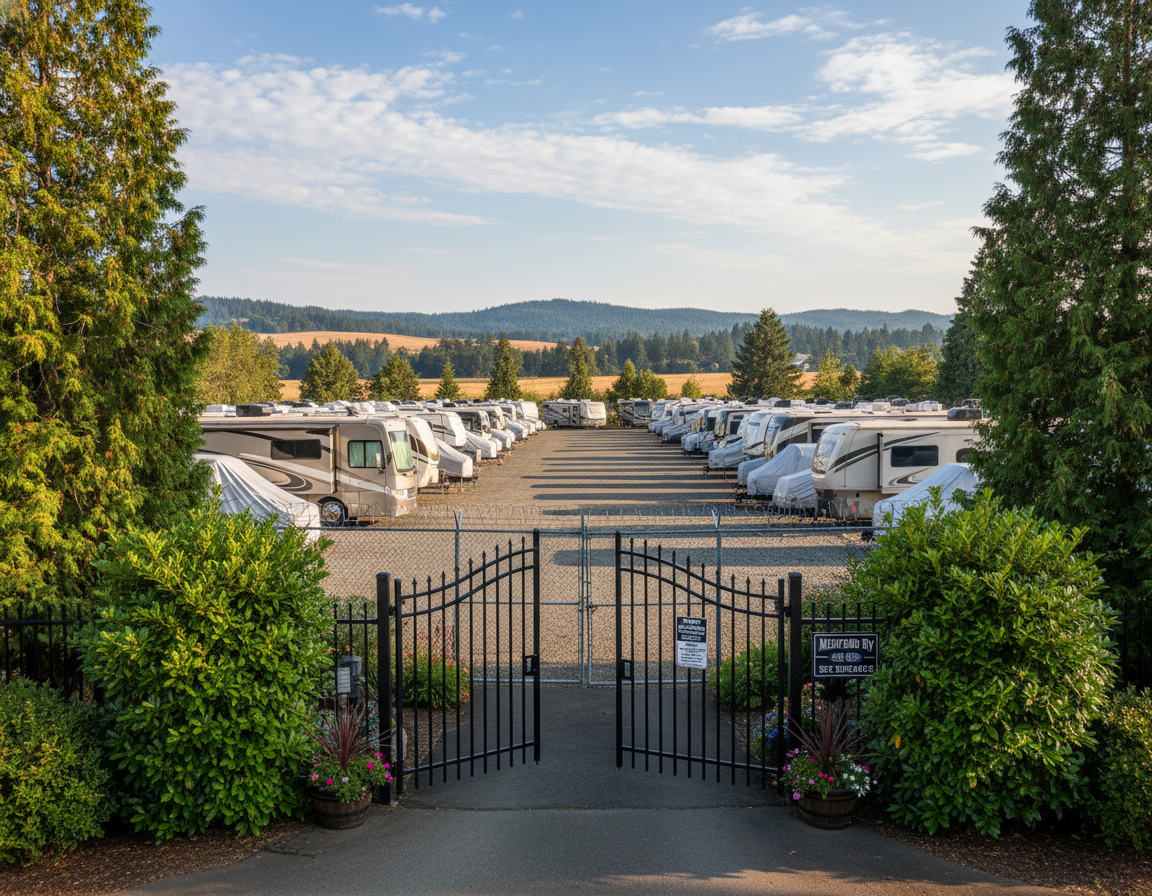
They use state-of-the-art cameras, bright lighting, and an outside security firm for night watch. This helps keep your RV protected and secure.

Toy Box Storage provides indoor and outdoor storage choices. They include 24-hour gated access along with an RV dump station, wash bay, and restrooms. Indoor units include 120 V power, tall ceilings, and large doors for covered protection.

Local providers like Water World Boat & Powersport provide budget-friendly options. This keeps the market competitive and budget-friendly. Whether you look online or ask locals, Medford has facilities that deliver convenience, security, and protection for your RV.

RV storage in Medford Oregon

Why secure RV storage is important in Medford

Owning an RV in Medford means you can explore Southern Oregon with flexibility. Secure RV storage keeps your rig protected from theft, sun damage, and moisture. Local places offer covered and climate-controlled storage to fit your budget and needs.

Protecting your investment from weather and sun

Sun and weather can harm your RV by fading paint, cracking seals, and damaging upholstery. Covered storage helps block UV rays and rain, slowing damage over time. Indoor units with 120 V power can keep batteries and appliances running while your RV is stored.

Security risks in outdoor storage and how to mitigate them

Outdoor lots can draw thieves and vandals if they aren’t well-lit or monitored. Choose a place with strong camera coverage, bright lighting, and gated access. Nighttime monitoring by a security firm adds another layer of protection.

Local climate considerations for RV owners in Medford, OR

Medford’s weather—sun, occasional heavy rain, and year-round RV use—creates specific storage needs. Facilities in Medford often include durable surfaces and drainage to handle storms. For sensitive finishes or long-term storage, climate-controlled storage helps prevent mold and damage.

RV storage Medford Oregon

Medford offers many storage options for RV owners. You can find everything from dealer yards to self-storage facilities. Whether you’re a weekend camper or a full-time traveler, there’s something for everyone.

Airway RV & Boat Storage offers easy access and great customer service. They offer cameras, bright lights, and nighttime monitoring for security. Customers like the autopay option and fast help from staff.

Toy Box Storage has a wide range of indoor units. They include tall ceilings, roll-up doors, and power inside the units. There are also restrooms, wide entrances, and a dump station.

Local dealers like Water World Boat & Powersport provide cost-friendly storage. They highlight how dealers can be a budget-friendly option for RV owners.

Comparing onsite services

Compare surveillance, fencing, and lighting when evaluating facilities. Continuous video recording is better than cameras that only sweep by. Solid fencing and bright lighting add to security.

Wide aisles and oversized entrances make it easier to park large RVs. Indoor units with power and tall doors work well for battery charging and winterizing.

How to search and assess results

Search terms like rv storage near me can help you find listings. Create a checklist of important features such as surveillance and payment options.

Contact facilities to confirm details. Ask about autopay, gate codes, and any extra fees. Compare costs and services to land the best deal.

Do a quick drive-by to check if the lot looks well maintained. Photos and reviews help, but nothing beats seeing the place in person.

Covered and indoor storage options available nearby

Choosing covered RV storage or fully indoor units is an important decision for Medford owners. Local spots offer many solutions for both short and long-term storage. Use terms like rv storage Medford Oregon and rv storage near me to find what fits your needs and budget.

Covered RV storage vs fully indoor units: benefits

Covered RV storage protects your RV from sun, rain, and debris. It reduces UV damage, helping prevent paint fading and seal cracks. Many choose covered storage because it adds protection without the price of indoor units.

Indoor storage, by comparison, offers full protection, stronger theft prevention, and climate control. It keeps out dust and pests, stabilizes temperatures, and prevents water damage. For long-term storage, indoor units often reduce maintenance.

Indoor feature examples: high ceilings, roll-up doors, power

Medford offers indoor bays with high ceilings and wide doors. Units up to 30 x 47 feet with 14- to 19-foot ceilings can fit large motorhomes and trailers. Doors as large as 14×12, or drive-through layouts, make parking easier.

Some units have 120 V power outlets to keep batteries and appliances running. Man doors and dual-access roll-up panels make maintenance easier.

How covered and indoor storage reduces maintenance and sun damage

Covered and indoor storage can mean less waxing and sealant work. They reduce UV damage, slowing fading and helping seals and awnings stay intact. This helps save money on repairs in the long run.

Indoor units with power can help keep batteries and appliances in good shape, extending their lifespan. They also reduce moisture, lowering mold and mildew risks. For anyone seeking low-maintenance RV parking in Medford, covered and indoor options beat uncovered lots.

Climate-controlled RV storage: when it is worth it

Climate-controlled RV storage can protect sensitive finishes and systems during long-term storage. In Medford, mild winters can still bring big humidity swings. These conditions can damage wood trim, leather seats, and electronics if an RV sits unused. Owners often compare secure RV storage features, local pricing, and their RV’s specific needs.

What climate control protects against

Humidity can lead to mold and mildew in fabrics and cabinetry. Temperature changes can make seals and gaskets crack over time. Climate-controlled units keep humidity and temperature stable, reducing risk to cabinetry, upholstery, and onboard wiring. Dealers and facilities in RV storage Medford Oregon promote indoor units that can support dehumidifiers or battery tenders to maintain systems between trips.

Types of RVs that benefit the most

High-end motorhomes and classic coaches with wood interiors see the biggest benefits from climate control. Fifth-wheels with leather upholstery and rigs with sensitive electronics often stay in better condition. Owners of smaller, older travel trailers without modern seals may save more long-term by choosing climate control over cheaper outdoor spots.

Cost considerations and long-term value

Climate-controlled RV storage usually costs more per month than outdoor options. Consider the RV’s value, repair history, and how often you use it before deciding. Preventing mold, rot, cracked seals, and electronic failures can cut repair bills and preserve resale value. For many owners, a few extra dollars each month for secure RV storage pays off by avoiding a costly restoration later.

Key factor Climate-controlled unit Covered/Indoor option (non-climate) Outdoor affordable lot
Moisture control Yes; stable humidity helps protect interiors Limited; may use dehumidifiers or power No; increased risk of mold and corrosion
Temperature changes Reduced; limits seal and battery stress Partly reduced by shelter Exposed to full temperature swings
Ongoing cost Most expensive Moderate cost Lowest
Ideal for High-value rigs, classics, leather, and electronics Owners wanting power plus weather cover Budget-conscious owners, short-term storage
Security support Often part of secure RV storage options Good if the facility has fencing and lighting Varies; may need added measures
Long-term cost savings High; from preventing repairs Moderate; depends on added measures Low unless combined with added protection

Choosing between climate-controlled storage and less expensive options depends on value and use. For owners in RV storage Medford Oregon with high-end rigs or long idle periods, climate control can be a smart investment. Those seeking affordable RV storage should focus on facilities offering basic security, good drainage, and the ability to add power for battery tenders.

Outdoor and affordable RV storage alternatives in Medford

Outdoor RV storage is often a cost-effective option while still providing basic protection. In Medford, many locations provide paved or gravel bays. These are easy to reach and help keep pricing lower. Use terms like rv storage Medford Oregon or rv storage near me to find outdoor choices with different security levels.

Pros and cons of outdoor gravel or paved spaces

Gravel and paved spaces are often less expensive than indoor storage and easy to reach. They can reduce monthly fees, making them popular with budget-conscious RV owners.

But they are exposed to sun, wind, and dust. Sun can fade paint and wear seals over time. Paved areas reduce dust. Adding covers is a cheap way to add extra protection.

How facilities advertise outdoor amenities

Places like Toy Box Storage promote fenced lots, security lights, and 24/7 video monitoring. Many provide gated access, wide lanes, and services such as dump stations and wash bays.

Airway RV & Boat Storage and powersports dealers also highlight night monitoring and strong fencing. These features show outdoor storage can be affordable and secure when managed well.

Finding affordable options without giving up basic security

Begin by searching for rv storage near me or rv storage Medford Oregon. Look for outdoor options that include security lights, cameras, and gates. Amenities like restrooms or dump stations are a bonus.

Compare prices from local storage and powersports dealers to find the best deals. Paying a bit more for a well-lit, gated spot can save time and worry compared to the cheapest option with weak security.

Feature Typical Outdoor Gravel Typical Paved Outdoor Why it matters
Monthly price Lower cost Moderate cost Gravel reduces price but may raise dust and settling concerns
Dust and debris Higher Less dust Paved surfaces keep rigs cleaner and reduce maintenance
Parking maneuverability Good Very good Wide aisles and level pavement make parking large rigs easier
Security features Fencing, lights, cameras Fencing, lighting, and cameras Both can be secure if facilities include gated access and surveillance
Onsite amenities Sometimes (dump, wash) Often (dump, wash, restrooms) Helps with upkeep and convenience for frequent users

Security features to check when choosing a facility

Choosing secure RV storage means combining technology, strong barriers, and active oversight. Local places in Medford use cameras, access control, and staff to reduce theft and damage. When you search rv storage Medford Oregon or rv storage near me, compare providers based on these features.

Video surveillance and 24-hour monitoring practices used locally

Look for places with cameras that watch all the time and keep footage. Airway RV & Boat Storage has top-notch cameras and bright lights for clear views at night.

Some facilities hire outside security for night watches. This combination of technology and human oversight helps people feel safer when choosing secure RV storage.

Perimeter security: fencing, barbed wire, block walls, and gated entry

Strong perimeter security helps keep most intruders out. Toy Box Storage has a secure area with barbed wire and block walls. It also uses strong fencing and a steel gate with a keypad to prevent unauthorized entry.

When searching for rv parking Medford OR, check if aisles are wide. This helps prevent damage while moving in or out. Good design inside and out helps keep vehicles safe.

Onsite staff, third-party night monitoring, and lighting

Onsite staff are present during the day and can respond quickly. Places that add outside night monitoring help cover all hours. Many facilities use both for constant protection.

Good lighting discourages crime and helps cameras perform better. Places with well-planned lighting, gates, and regular patrols offer the best RV storage in Medford.

Amenities and services that improve convenience for RV owners

Look for a facility that fits how you use your RV. Airway RV & Boat Storage is known for its convenient location and supportive staff. These features make finding rv storage near me a breeze.

Gate hours are key for many. Look for 24-hour access with secure entry codes to fit flexible schedules. Toy Box Storage provides this, so you can come and go with less hassle.

Onsite services can save time. Having an rv dump station Medford OR on site saves you from searching for public options. Wash bays and restrooms make cleaning up before storage a breeze.

Power options keep your RV ready. Toy Box Storage has indoor units with 120 V outlets. This keeps batteries and fridges charged while in storage.

Easy access makes move-in feel less stressful. Wide lanes and oversized entrances help with bigger rigs. Facilities like Toy Box Storage and Sage Road Self Storage are built to make maneuvering easier.

Covered storage helps protect from the sun. But, it’s easier to access than tight indoor spots. Choose based on your needs and budget.

Choose what matters most to you personally. Some people prioritize an rv dump station Medford OR and wash bays. Others prefer 24-hour access and quick staff responses. Use your must-haves to find the right spot.

Final Thoughts

Medford has many options for RV owners. You can find everything from cheap storage lots to climate-controlled spots. Places like Toy Box Storage, Airway RV & Boat Storage, and Sage Road Self Storage provide solid security and convenience.

When searching for RV storage, pay close attention to security features. Look for 24-hour video monitoring, strong fencing, bright lighting, and electronic gates. Make sure unit size and power options match your RV and budget.

Some RV owners choose affordable storage on yards. Others prefer covered spaces to protect from weather exposure. Think about what you need to keep your RV safe and in good shape.

RV Storage FAQ

What secure RV storage options can you find in Medford, OR?

Medford provides a wide range of RV storage options. You can pick from gated outdoor lots, covered spaces, or large indoor units. Toy Box Storage provides big indoor units with high ceilings and power.

Airway RV & Boat Storage has great lighting and cameras. Local dealers like Water World Boat & Powersport also provide affordable storage. You can find the right match for your RV’s size and your budget.

Why does secure RV storage matter for Medford owners?

Medford’s weather can damage your RV. Sun and rain can harm the exterior and cause water damage. Secure storage keeps your RV safe from theft and damage.
Places with cameras, fencing, and gated entry protect your investment. This saves you money on repairs in the long run.

How does covered storage compare to fully indoor storage?

Covered storage provides protection from sun and rain. It’s better than nothing, but it doesn’t match indoor storage for protection. Indoor units keep your RV dry and help protect it from thieves.
They often provide power to support your RV’s systems. If you have a big RV, look for indoor units with tall ceilings and wide doors.

Are climate-controlled units available in Medford, and when do they make sense?

Yes, some places in Medford offer climate-controlled storage. It’s ideal for high-end RVs or those with specialty interiors. It helps keep your RV in excellent condition.
It might cost more, but it saves you money on repairs later.

What specific security features should I look for when choosing RV storage in Medford?

Look for 24-hour cameras and good lighting. Strong fences and electronic gates are important. Night monitoring or staff coverage adds extra security.
Wide alleys and bright entrances help avoid damage.

How can I evaluate “rv storage near me” search results in Medford?

Compare security features and access hours. Check the unit sizes and power availability. Look for amenities like dump stations and wash bays.
Check reviews and call for details. Make sure your RV fits the space.

What onsite services and amenities improve convenience for RV owners?

Look for 24-hour access, dump stations, and wash bays. Restrooms and power in indoor units can be very helpful. Easy autopay and large doors make maintenance easier.

Are outdoor, affordable storage options safe in Medford?

Yes, outdoor storage can be safe. Look for facilities with fencing, lighting, gates, and camera coverage. Affordable outdoor storage exists, but confirm it has basic security.

How do indoor unit dimensions and roll-up door sizes affect my choice?

Measure your RV so it fits the storage space properly. Medford offers indoor units in different sizes. Check for drive-through options and wide aisles for easier access.

Can indoor units run battery tenders or dehumidifiers?

Yes, indoor units with 120V power can run battery tenders and dehumidifiers. This helps keep your RV in better condition.

What cost considerations exist between indoor, covered, and outdoor storage?

Outdoor storage is usually the cheapest option. Covered storage is more expensive, but it adds better protection. Indoor storage is the most expensive, but it helps keep your RV safe from damage.
Consider your RV’s value and how often you use it when choosing.

Which local Medford facilities should I compare for RV storage?

Compare providers like Toy Box Storage, Airway RV & Boat Storage, and Water World Boat & Powersport. Review unit sizes, security features, and amenities. Sage Road Self Storage and other providers are also worth checking.

How do security lighting and nighttime monitoring reduce risks?

Bright lights and cameras deter thieves. Night monitoring adds another layer of security. These features help keep your RV safer.

Are there on-site wash bays and dump stations at Medford storage facilities?

Yes, some facilities, such as Toy Box Storage, offer wash bays and dump stations. They also offer restrooms and oversized entrances. These make maintenance easier.
Business name: Sage Road Mini Storage | Storage Near Me
Address: 1933 Sage Rd, Medford, OR 97501
Website: https://sage.locknkeystorage.com/
Phone Number: (541) 773-5323

Related: Corner Garage Storage

Chongqing Xinjiang Europe Railway Fuels Clean Energy Transitions

China-Europe Railway Express: Improving International Trade Routes

The China-Europe rail link started as a single pilot in 2011 and turned into a key land-based corridor by 2013. Within a decade it operated 77,000 cargo trips and moved cargo worth roughly $340 billion.

U.S.-based shippers now have wider access to markets across Asia and Europe through a dependable China to Europe freight train train system. This rail-based option cuts lead times and adds schedule certainty compared with maritime-only shipping.

Goods range from mechanical and electrical products to perishable food, with clear origin and product information that helps importers trust supplies. The route family ties together 130+ cities across 25+ countries and recorded more than 10,500 trips in the first eight months of 2023, signalling steady growth.

For procurement and logistics leaders this rail system is a practical addition to sea lanes. It creates a hybrid option that balances cost, transit time, and risk while extending market reach for mid-sized firms.

China to Europe freight train

Key Points

  • Scaled fast: the system expanded from one monthly departure to dozens weekly, fuelling steady growth.
  • Reliable transit: scheduled trains reduce lead-time variability versus ocean shipping.
  • Diverse cargo: machinery, components, and food move with transparent import details.
  • Broad reach: over 130 connected cities across many countries expand access for U.S. companies.
  • Hybrid strategy: rail supports maritime lanes, giving planners more transport options.

Brief update: Ten years of growth makes the rail link a pillar of global trade

Ten years after launch, the china-europe railway express has become a steady alternative for global freight. It reached its 10-year milestone with about 77,000 trains moving roughly $340 billion in goods.

From pilot services to a high-frequency network: key numbers since launch

Early operations grew rapidly: a single monthly departure grew into 34 weekly services. In 2013 the system recorded 8,416 origin trips and shifted millions of tonnes.

Key milestone Figure Impact
Decade mark approximately 77,000 trains; about $340B goods Shows long-term scale and commercial reach
First eight months 2023 10,575 trips (up 5%) Momentum during maritime disruption
Rapid early phase one a month → 34 weekly Rapid operational scaling

BRI context and why it matters to U.S. importers, exporters, and freight forwarders

The belt road initiative provided funding and coordination that sped expansion. That backing helped expand city coverage, standardise paperwork, and improve punctuality.

“The corridor gives freight forwarders clearer scheduling windows and improved visibility for time-sensitive exports.”

American supply planners can use China-Europe rail freight to reduce exposure to ocean volatility. Freight forwarding groups gain more consistent access, simpler compliance, and reliable transshipment options. Monitor carrier advisories on official websites to schedule bookings around peak demand.

China-Europe railway express: routes, reliability, and performance as supply chains shift

An eastern, central, and western corridor network now guides bulk cargo across the Eurasian landmass with more defined timetables and measurable capacity gains.

Three core corridors explained

The eastern corridor links coastal exporters via Manzhouli and continues through Belarus and Poland. The central corridor serves Guangdong and central provinces via Erenhot. The western route moves goods from Xinjiang through Khorgos or Alashankou into Kazakhstan and beyond.

Speed, capacity, and schedule gains

Five pre-timetabled Chongqing-Xinjiang-Europe Railway routes operate across the logistics network, helping shippers plan pickups and European handoffs with less uncertainty.

In the first half of the year, maximum loads increased to 3,000 tonnes, enabling denser unitisation and improved dock planning. Typical end-to-end rail transit averages about 12 days versus 35–45 days by sea.

Staying stable during maritime disruptions

As Red Sea risks forced vessels around the Cape, overland corridors became a competitive choice. Rail frequently reduced transit time and reroute costs versus longer ocean legs and was far cheaper than urgent air freight for many product types.

“Scheduled corridors and higher train loads make the route a practical buffer against ocean volatility.”

What travels by rail

In excess of 50,000 product categories travel via China-Europe freight trains. Mechanical and electrical goods, vehicles, and auto parts dominate volumes, while consumer electronics and industrial components fill diverse service needs.

Poland as a key hub: Warsaw-Zhengzhou service and the rise of a dual-hub logistics network

A newly launched Warsaw–Zhengzhou link formalises a dual-hub model that shortens transit times and simplifies customs handoffs. Poland now processes roughly 90% of china-europe railway express traffic, making it the obvious European cross-dock for long-haul flows.

Why Poland takes most routes and what the launch unlocks

Geography and EU market access make Poland a natural handoff point. Rail gauge interfaces and established terminals speed transfers between continental systems. This combination drives high train volumes into Polish hubs.

  • Dual-hub gains: Warsaw and Zhengzhou connect to speed door-to-door delivery and simplify import procedures.
  • Regional reach: Polish terminals offer 24-hour coverage to roughly 90% of nearby countries, helping regional distribution.
  • Bidirectional trade mix: vehicles, parts, dairy, chocolate, and industrial inputs move both ways, demonstrating flexible service use.

PKP Cargo Connect and Henan Zhongyu International Port Group back the new service, offering steadier capacity and clearer schedules. Growing train frequency into Poland signals network maturity and better alignment for last-mile trucking and customs windows.

“The Warsaw–Zhengzhou service opens practical routes for quicker regional fulfillment and fewer empty returns.”

U.S. logistics planners should treat Warsaw as a primary consolidation node for multi-market deliveries. Watch operator website notices for capacity releases and retail-season surges to optimise bookings and equipment availability. These steps fit within the belt road framework while focusing on commercial SLAs and predictable operations.

Closing thoughts

Marked by higher-capacity China’s BRI videos and clearer timetables, the China-Europe rail option now gives U.S. shippers a practical way to diversify transit risk and speed time-to-market.

The route typically reduces transit to about 12 days, making rail a smart choice when it outperforms ocean, while reserving air for urgent, high-value cargo.

Post-10th anniversary, scheduled services, larger loads, and better information flows simplify cross-country planning. Even so, border procedures, equipment imbalances, and subsidy uncertainties require time buffers in schedules.

Practical actions: identify SKUs suited to rail, trial Warsaw as a hub, pair lanes with ocean or road, and ask freight forwarders to monitor carrier website notices to secure bookings.

Add this option to your multimodal playbook to protect margins, improve resilience, and keep trade moving even as global lanes change.

Scrapping A Car In Singapore Without Hassles

How to Scrap a Car in Singapore: A Fast Guide

Ever thought about scrapping your car early to reduce costs and skip headaches with https://sgcarscrap.com/impact-of-car-scrap-yards-on-local-communities? It could beat waiting for COE expiry.

This guide explains the process of scrapping a car in Singapore. We cover the required documents, how car valuation works, and how to choose a reputable LTA-authorized scrap yard. It also covers the alternatives if you prefer to sell your car instead.

Don’t wait until your COE expires. When it ends, you can’t drive the car and could face towing fees. Plan about three weeks ahead to skip last-minute stress.

Your options are: scrap at an LTA-authorized yard, export it, or sell privately for a potentially higher price. Scrapping is both practical and eco-friendly. It recycles parts, reduces older high-emission cars, and limits further depreciation when you act fast.

Timing matters. The deregistration and rebate processes, including PARF/COE rebates, usually take 2–4 weeks after application. Scrapyards usually pay body value on handover. Remember, you have legal obligations: deregister the vehicle, send proof to LTA within one month, and avoid penalties such as fines or possible jail for non-compliance.

SGCarScrap

Key Takeaways

  • Plan ~3 weeks ahead of COE to avoid extra costs.
  • In Singapore, the core options are scrap, export, or private sale.
  • Scrapping recycles parts and prevents further vehicle depreciation.
  • Rebates and deregistration usually settle within 2–4 weeks; body value is paid at handover.
  • Submit LTA proof within 1 month of de-registration to avoid fines or legal action.

How car scrapping works in Singapore

Choosing your end-of-life path involves weighing scrapping against exporting. Export buyers may pay more for export-ready models. If the model is desirable and condition is good, exporting might be the better choice.

Scrapping is the preferred option for cars that are heavily damaged, old, or have low market interest. A licensed scrap car dealer Singapore will take these and pay body value on the spot. Arrange disposal ~3 weeks pre-COE expiry to avoid extra paperwork and towing fees.

Self-deregister via OneMotoring to receive full paper value plus road tax rebate. Exporters or scrap yards usually deduct 1–2% for handling if they process deregistration for you. Pick the date carefully, because COE rebate scales with remaining COE.

The paper value includes the COE rebate plus any applicable PARF rebate for cars under ten years old. Claim PARF/COE with LTA within 12 months. Allow about 2–4 weeks for LTA disbursement.

Scrap value combines paper value with body value. Body value varies by make, model, condition, mileage, and spare-parts demand. Both scrap yards and exporters will request necessary documents and may pay body value on-site while the LTA rebate follows later.

Responsible scrapping lowers pollution and improves parts recycling. Deregister and file disposal proof with LTA within 1 month. Penalties may include fines (to $2,000) or up to three months’ imprisonment.

Settle outstanding loans and road tax before de-registration. Verify insurance status post-deregistration. Working with a reputable scrap car dealer Singapore or a licensed exporter keeps you compliant while improving payout.

Prep your car & documents before visiting a Singapore scrapyard

Ahead of your scrapyard visit, ensure your vehicle and documents are ready. A well-prepared visit streamlines the valuation, payment, and towing process. Accuracy and simplicity help avoid delays.

What to bring

Carry the deregistration form from LTA via OneMotoring and your original NRIC if you’re a local. Foreign owners should bring their MOM or ICA documents. If someone else is handing over the vehicle, they must bring ID plus a signed authorization letter.

Also, provide proof of road tax payment and loan settlement. Dealers will need copies of these documents for valuation and final handover. Maintain backup copies for your files.

How to increase your car’s body value

Give precise info to dealers about your car’s brand, model, mileage, condition and colour. Precise https://sgcarscrap.com/mistakes-to-avoid-when-scrapping-a-car-in-singapore details support fair offers.

Clear personal items and make inspection easy. Cleanliness speeds valuation. Where viable, keep high-value parts intact.

Timing still matters. Supply-demand cycles affect body value. Low supply can lift offers for certain models. Good presentation can improve your offer in Singapore.

Pick an LTA-authorized dealer

Select an LTA-approved dealer for compliant paperwork. Inquire about their paperwork handling, payment options, and towing services.

Contact multiple dealers by phone/web with full details. Request a valuation appointment within the LTA’s timeframe. Valuations should occur within eight calendar days post-deregistration.

Compare quotes to secure the best body value. Ensure they file LTA proof quickly and have solid experience. Good communication helps smooth removal.

Step-by-step scrapping process and working with scrap car dealers

A smooth scrap process needs clarity on every step. This ensures a smooth process without unnecessary delays. Begin by planning your deregistration date and selecting an LTA-approved scrap yard or car scrapping service. This ensures rebate and proof deadlines are met.

OneMotoring de-registration

De-register via LTA OneMotoring with SingPass. Clear tax/loans before submission. The deregistration date you choose impacts COE and PARF rebate amounts.

If you want in-person help, schedule with LTA service centre. Within one month, file scrapping proof with LTA to avoid penalties.

Valuation appointment and on-site process

Arrange valuation inside 8 days post-de-registration. Bring ID and de-registration papers.

Value is based on condition, model, mileage, and parts demand. Most yards pay body value immediately on handover. If the car is immobile, the dealer will arrange for towing.

Dealers often deduct ~1–2% for export SGCarScrap admin services.

Claiming rebates & LTA follow-up

Submit PARF/COE via OneMotoring after scrap/export. You have a 12-month window from deregistration. Maintain records for traceability.

Rebate payments from LTA typically arrive within two to four weeks after successful submission. Ensure the scrap dealer promptly files disposal documents and check OneMotoring for LTA acknowledgement.

Keep communication open until everything is recorded. Missing proof submission invites penalties. Remain proactive and maintain records of every step in the car disposal Singapore process.

Best cash for scrap: options and costs

Choosing what to do with an old vehicle depends on your priorities. Is speed, convenience, or top dollar most important? Each option has its own set of trade-offs. Here’s a comparison of scrap/export/private sale in Singapore.

Scrap vs export vs private sale

Scrapping is quick and green. Expect on-site body value from an LTA-authorized yard. You get immediate payout and paperwork help. LTA will handle the rebate after you apply.

Exporting can pay more. Exporters take care of docs and logistics. Not all cars qualify, and prices vary based on the exporter’s network and foreign demand. Compare several exporter offers.

Private sale can yield the most for well-kept cars. This method requires time for ads, viewings, negotiations, and paperwork. For urgent sales, it’s often unsuitable.

What fees to expect

Before deregistration, outstanding road tax and loans must be cleared. If the COE has expired and the car is undrivable, towing costs can add up.

Expect a 1–2% handling fee off paper value. Full-service handling reduces your net vs DIY.

Missing disposal deadlines can lead to legal issues. File the LTA proof within the window. Otherwise, penalties may apply under law.

Maximizing your scrap payout

Be proactive to limit fees and depreciation. Compare offers from several yards/exporters.

If you can deregister yourself through OneMotoring, you’ll likely receive the full paper value and road tax rebate. This can improve your net vs dealer-handled paperwork.

Provide accurate vehicle details and highlight intact, in-demand parts for fair valuation. Hold onto records and receipts. Confirm all deadlines for PARF/COE rebates and submit disposal proof on time to protect your rebate and avoid penalties.

Need speed? Choose transparent, reputable dealers. For maximum returns, go private sale or export. Time investment can improve your final price.

Final Thoughts

Your first step is choosing scrap, export, or private sale in Singapore. Clear loans/road tax, then de-register via OneMotoring. Arrange valuation with an LTA-approved yard and compare quotes for a fair offer.

Complete handover and ensure dealer files LTA disposal proof. File rebate claims within the 12-month window. Rebates usually arrive in 2–4 weeks. DIY de-registration can improve returns.

For removal, submit LTA proof within 1 month. Scrapping supports recycling of parts and lowers pollution. An authorized dealer keeps you compliant. Start preparations at least three weeks before COE expiry to keep the process smooth.

With good prep, on-time paperwork, and an authorized dealer, you’ll convert your car to cash compliantly. These steps streamline removal and improve outcomes with Singapore scrap yards.

Cantilever Racking System Operational Do’s And Don’ts

Space-Optimised Rack Solutions for Small Warehouses

Imagine your cramped storage area holding 2× the inventory without expanding. For businesses in Singapore’s space-constrained urban landscape, maximizing every square foot isn’t just ideal—it’s essential.Modern storage https://www.ntlstorage.com/racking-system-safety-training-essential-for-warehouse-safety/ strategies enable compact facilities to reach industrial-grade efficiency via smart vertical design and adaptable layouts.

Jungheinrich’s decades of know-how prove smart organization wins over raw footprint.Their custom approaches convert cluttered floors into multi-level builds that safely hold bulk pallets and delicate components. This isn’t about stacking higher—it’s about creating workflow-friendly zones that protect goods and streamline operations.

Forward-thinking companies no longer see limited square footage as a barrier.They leverage modular designs that grow with changing needs.With the right configuration, retrieval times drop, accidents decline, and inventory visibility stays high—vital in fast-paced markets where every second matters.

Key Takeaways

  • Vertical designs can triple capacity with no added floor space
  • Customizable layouts adapt to mixed inventory types and sizes
  • Safety-enhanced structures help prevent workplace incidents
  • Scalable solutions support long-term growth
  • Expert planning ensures compliance with strict Singapore regulations

Maximising Efficiency with Innovative Racking Solutions

Unlock hidden facility potential by rethinking vertical dimensions. Modern storage designs turn height limitations into strategic advantages, creating layered workflows that boost productivity.Here’s how smart engineering converts underused airspace into operational assets.

Vertical Space Utilization Strategies

Multi-level designs deliver immediate capacity using raised platforms with integrated staircases.Such structures transform single-level floors into 3D storage networks with direct manual access maintained.Ceiling clearance and load limits are assessed by engineers to set safe tier configurations.

NTL Storage

Layout Optimization Techniques

Smart floor plans cut travel time by up to 40% via tuned aisle widths and zone placements. Consider this comparison of traditional versus optimized configurations:

Aspect Traditional Optimized Design
Levels Single Three to five tiers
Picking Efficiency 35 items/hour ~72 items/hr
Safety Compliance Basic standards Enhanced guardrails
Future Expansion Requires rebuild Modular add-ons

Seasonal inventory fluctuations become manageable through adjustable shelving positions.Digital integration traces stock across tiers, and clear egress paths meet Singapore fire standards. These solutions adapt as business needs evolve.

Benefits of Racking Systems for Small Warehouses

Could your setup absorb a 50% inventory surge tomorrow? Modern storage solutions turn space limitations into competitive advantages through smarter engineering.Here’s how optimised designs balance heavy-duty performance with space efficiency.

Higher Load Capacity & Safety

Industrial-grade structures support weights exceeding 2 tons per shelf when properly installed.Load limits are calculated from upright profiles, base-plate specs, and spacing.Protocols include automated weight monitoring plus impact-resistant guardrails.

These designs prevent accidents through:

  • Six-month structural integrity checks
  • Color-coded load capacity labels
  • Emergency lock-down features during seismic events

Better Density & Accessibility

With strategic layouts, retrieval speed increases about 68% versus conventional methods. Narrow-aisle configurations maintain full inventory visibility while maximizing vertical space. Workers access upper tiers via integrated platforms without needing forklifts.

Metric Traditional Setup Optimised
Storage Capacity 100 pallets 220 pallets
Retrieval Speed 45 sec/item 22 s/item
Safety Basic signage Smart sensors
Cost Efficiency $1.20 $0.68

Modular components let businesses adjust shelf heights as inventory changes.Flexibility lowers operating costs and maintains fast access.Proper planning ensures compliance with Singapore building codes and fire regulations.

Customizing Your Storage Solutions for Optimal Workflow

How much faster would your team work if storage flowed as efficiently as they do?Jungheinrich transforms generic https://www.ntlstorage.com/racking-system-retrofitting/ layouts into precision tools via three-phase analysis: operational rhythms, product dimensions, equipment capabilities. This method creates storage environments where every component serves a strategic purpose.

Tailor Layouts to Specific Needs

Start effective design by mapping high-traffic zones and slow-moving areas. Engineers use thermal mapping software to identify workflow bottlenecks before proposing layouts. Consider how these configurations impact daily operations:

Variable Standard Customised
Pick Path Length 82 m 41 meters
Daily Steps Saved None 3,200
Adjustment Cadence Yearly Weekly

Modular beams/uprights enable quick reconfiguration for seasonal shifts.Diagonal braces increase stability while preserving accessibility—key for mixed loads.

Include Essential Components

Specialised accessories transform basic structures into smart systems.Safety barriers with impact sensors warn of collisions; colour-coded dividers speed sorting.Core elements include:

  • Beam connectors allowing vertical adjustments in 2-inch increments
  • Shelf supports rated to 500 kg
  • RFID-enabled tracking tags for real-time stock monitoring

These components work together to create storage solutions that adapt as business needs change.Routine audits sustain peak efficiency and Singapore compliance.

Enhancing Safety and Compliance in Storage Systems

How secure is your inventory against preventable accidents?Maintenance protocols protect staff and stored goods and keep you compliant in Singapore.Today’s facilities blend advanced engineering and proactive monitoring to control risks early.

Regular Inspections and Adherence to Standards

Following DIN EN 15635, annual evaluations reveal structural weaknesses in storage equipment.https://www.ntlstorage.com/racking-system-repair-vs-replacement/ certified technicians inspect connections, alignment, and capacities with laser measurements.The inspections cover:

  • Component stress tests under maximum weight limits
  • Documentation audits for compliance
  • Replacing worn parts with OEM-certified materials

Post-inspection stickers display approval dates and next service deadlines – critical for facilities handling sensitive materials.

Implement Safety Protocols & Load Management

Smart monitoring systems track real-time weight distribution across shelves, triggering alerts when approaching load capacity limits. Workers receive quarterly training on proper stacking techniques and emergency shutdown procedures. Key features include:

  • Automated lockdown mechanisms during seismic activity
  • Colour-coded zones by weight class
  • Digital logs tracking maintenance history

Five-year structural warranties back long-term reliability; modular designs allow quick upgrades as standards evolve.Together, these measures create environments where productivity and protection coexist.

Boosting Capacity with Multi-Tier & Mobile Racking

What happens when your warehouse ceiling becomes your most valuable asset?Modern solutions convert underused vertical space into high-performance zones.They maintain operating speed while dramatically increasing density.

Maximizing Height with Multi-Tier Shelving

Multi-level designs can create 2–3 operational floors under standard ceilings. Integrated staircases and safety rails let workers navigate elevated platforms efficiently.A well-planned three-tier system can store ~280% more items than a single-level layout without extra square footage.

Mobile Racking Benefits for Direct Access

Movirack technology eliminates fixed aisles through motorized base movement. Workers open access lanes in 45 seconds using control panels, retrieving specific pallets without shifting others.It can store about 90% more goods than conventional pallet racking while maintaining visibility.

Feature Multi-Tier Shelving Mobile
Capacity Gain ~200–300% 80-120%
Access Method Stairs/Platforms Motorized Bases
Max Load/Unit ~850 kg ~600 t
Reconfiguration 4 hours 2 minutes

Adapting for Future Expansion

With modular components, you can integrate extra levels or mobile units as needs grow.Sites can begin with two tiers, adding a third when peaks arrive.Mobile bases integrate with automated retrieval, future-proofing the investment.

Singaporean warehouses using these solutions report 68% faster order processing and 40% lower storage costs per pallet.Ongoing safety audits maintain compliance on height and load-bearing as setups evolve.

Expert Consultation and Comprehensive Support Services

What hidden costs lurk in poorly planned storage layouts?Experts bridge the gap between theoretical capacity and real-world efficiency.Jungheinrich’s end-to-end approach turns storage challenges into strategic advantages via precise engineering and adaptive support.

From Initial Consultation to Post-Installation Support

Work begins with 3D laser mapping to analyse workflow patterns and equipment interactions. This data-driven process identifies bottlenecks in order picking routes and underutilized vertical zones.Engineers then craft customised plans balancing density and forklift manoeuvrability.

After installation, services maintain peak performance through:

  • Bi-annual inspections verifying load capacities and structural alignment
  • Smart sensors tracking shelf stress in real time
  • Training programs covering safety protocols and system updates

Four operational modes on mobile storage units align with production demands:

Operating Mode Purpose Best For
Aisle Activate a single access lane High-frequency retrieval
Multi-Aisle Open multiple lanes concurrently Peak season operations
Parking Compact storage formation Long-term archiving
Manual Direct equipment access Maintenance periods

Remote-control integration lets managers adjust configurations at shift change without disruption.Because systems fit existing forklifts, retraining costs fall and production continuity remains.Ongoing support ensures systems evolve with Singapore’s safety and space-optimisation requirements.

Conclusion

How do industry leaders maintain peak efficiency in tight urban environments?Professional storage solutions create order while protecting inventory and teams, transforming operations.These systems adapt to handle standard pallets and specialised items (pipes, coils) via adjustable supports.

Modern designs prove compact facilities can match larger competitors’ capabilities.Strategic layouts maximise vertical use without losing accessibility, and modular parts handle evolving needs.Regular checks plus smart sensors help ensure compliance with Singapore’s strict safety rules.

Investing in quality infrastructure delivers measurable returns through increased capacity and streamlined workflows.Tailored, industrial-grade performance turns spatial limits into operational advantages.With the right partner, expert planning and scalable solutions support lasting success.

“`

Why Advance Recycling Is Leading in Desktop Recycling Efficiency

Eco-Friendly Business Desktop Recycling Programs for Singapore. Companies

Quick stat: Businesses in the United States retire vast quantities of hardware annually, and just one mishandled pickup can add tons to landfill and compliance risk.

Advance Recycling helps Singapore. organizations turn that risk into a measurable sustainability win. We combine secure desktop recycling handling plus NIST SP 800-88–based data sanitization through certified pathways consistent with R2v3 and ISO frameworks.

Our end-to-end service covers device inventory services, scheduled collection, validated data erasure, along with clear audit-ready reports. We issue Certificates of Destruction and transparent recovery documentation.

Assets are assessed for reuse, redeployment, or responsible materials recovery to help meet ESG targets while cutting environmental impact. In line with industry leaders, we do not export e-waste to developing countries.

Serving single and multi-site operations across the United States, our model reduces disruption and provides defensible compliance records. Keep reading for accepted equipment, security measures, and easy onboarding steps.

Reliable Singapore.-wide desktop recycling for businesses

Advance Recycling designs nationwide programs that match each company’s security, timing, and compliance needs. We connect businesses with vetted recycling facility partners and certified centers to avoid improper disposal and local fines.

Choose a convenient option: scheduled pickup, business drop-off, or coordinated returns. Each choice is mapped to site count, on-site security, and IT requirements.

Advance Recycling - desktop recycle

  • Compliant logistics with documented chain-of-custody and asset traceability.
  • Coordination with facility managers and IT teams to inventory, stage, and move devices to a certified recycling facility.
  • Predictable service windows, scalable crews for multi-location rollouts, and clear access protocols.

Singapore. guidance is clear: keep e-waste out of municipal garbage. Examples such as Dell Mail Back and city events illustrate convenient access and no-export rules.

Our transparent pricing links scope to volumes and device categories. Contact our team to assess current workflows and build a tailored, compliant path forward.

Business desktop recycling services

What we collect and how we handle it.

Coverage spans displays, accessories, and secure handling for storage devices. A broad set of office and IT equipment is accepted with audit-ready processing.

  • Accepted items include desktops, monitors, keyboards, mice, docks, cables, printers, and office electronics.
  • Data-containing hardware: internal/external drives, SSDs, and removable storage. We offer sanitization or physical destruction per policy.
  • Service models: scheduled on-site pickup for bulk collections, business drop-off for small volumes, and coordinated return logistics for distributed locations.
  • Scheduling: flexible windows, including after-hours and weekend options for single-site and multi-location businesses.
  • Intake checks: item verification, serialized capture on request, condition notes, and chain-of-custody starting at pickup or drop-off location.
  • Guidance: pallet/box equipment, label data devices, and separate hazardous components as needed.

Ask for a quote and timing that matches your refresh or decommission schedule. We handle mixed-condition lots and plan for oversized/specialty items in advance.

Security-first data destruction and compliance proof

Secure handling of data-bearing equipment starts with clear, repeatable controls and documented proof.

Logical wiping follows NIST SP 800-88, with physical shredding for HDDs/SSDs when required. Coverage includes PCs, laptops, tablets, external drives, and mobile phones.

Each lot or serial can receive a Certificate of Destruction and a Certificate of Recycling. Manifests and destruction logs include retention options for regulatory reviews.

Secure custody and transport procedures

We verify items, track serials, seal transport, and control handoffs to limit exposure. Role-based access restricts handlers of data devices.

Execution on-site or at certified facilities

On-site destruction is available for high-security facilities. Off-site work happens in certified sites with video or serial confirmations per scope.

We align controls to your policy and standardize across locations. Security and compliance stakeholders may review sample certificates before scheduling to speed approvals.

Retired equipment ITAD and value optimization

Effective ITAD changes end-of-life assets into value while cutting project spend.

ITAD kicks off with rapid assessment of model, age, volume, and condition. We provide fair-market estimates to guide refurbish, redeploy, or recycle decisions.

Assessing assets to optimize value

We inspect serials, photo-condition, and test results to classify assets. It identifies valuable parts and sets realistic recovery targets.

Refurbish for resale, redeploy internally, or recycle

Refurbish for resale when resale standards match market demand. Redeploy to extend life and reduce new spend. Recycle when reuse is not feasible, ensuring compliant e-waste handling.

Reporting and records for disposition

We deliver reports covering serials, conditions, processing, and outcomes. They support audits and align with finance/procurement retention.

Data protection is integrated: we sanitize or physically destroy media before redeploy or resale. We also recover value from servers, workstations, and select peripherals.

Share an asset list for a preliminary valuation and a tailored ITAD plan aligned to your technology refresh cycles. This approach helps businesses reduce new products demand and recover value while managing waste responsibly.

Our certified, eco-friendly recycling workflow

Our workflow is transparent and certified, balancing safety, recovery, and compliance.

Intake begins with verification and sorting. Classification covers category and condition. Subsequently we separate metals, plastics, and boards for recovery.

Responsible material handling

De-pollution checks remove batteries, lamps, and regulated parts before shredding. Displays and other hazardous pieces get specialized handling to prevent contamination.

R2v3- and ISO-aligned best practices

We partner with facilities audited to R2v3 and ISO standards. These certifications guide safety, environmental management, and quality controls across the entire center network.

No-export policy and landfill reduction

Advance Recycling enforces a strict no-export policy to developing countries for electronic waste. We focus on reuse/recovery to minimize landfill and lower demand for new goods.

  • Periodic due diligence of partners and downstream vendors.
  • Weight and materials reporting to support ESG disclosure.
  • Traceable chain-of-custody and documented disposal outcomes.

Request SOPs and certification summaries for your sustainability team.

Programs tailored for businesses of every size

Scalable programs let companies unify handling, reporting, and timing across multiple locations. Plans fit SMBs and enterprises while maintaining security and traceability.

Enterprise plans harmonize workflows for consistent compliance and reporting. Dedicated managers and SLAs keep collections and audits on schedule.

Support for regulated environments

Regulated clients receive strong data controls, verified paperwork, and on-site options as required. Every transfer includes chain-of-custody records and Certificate of Destruction on request.

Donation and reuse options

Devices that pass functionality and security checks can be sanitized and donated to vetted organizations. Donation channels extend device life and support community partners while keeping waste out of landfills.

  • Small-business plans with streamlined logistics and documentation.
  • Training materials and packing guides for facilities and IT teams.
  • Temporary capacity boosts for office moves or refresh seasons.
  • Periodic program reviews to adapt to volumes, regulations, and sustainability goals.

Connect with our specialists to plan a multi-location rollout, establish KPIs, and monitor progress.

Getting started

Getting started is quick: tell us what you have and we’ll map the right pickup or drop-off plan.

Three easy steps

  1. Request service—start via our online form or email. Provide site details and timing needs.
  2. Inventory your hardware—desktops, monitors, peripherals, and storage devices. Add serials/conditions to accelerate evaluation.
  3. Schedule logistics—choose pickup or drop-off, confirm access, and define custody rules.

Before the pickup

Back up critical files before you hand over equipment. Request secure data destruction or sanitization as required by your policy.

Pack equipment in sturdy boxes or on pallets. Separate data drives and label fragile displays. Follow segregation guidance for hazardous items to reduce waste risk.

Option Best for Typical timeline Documentation
Pickup Bulk lots and multi-location Scheduled window or phased rollout Custody documents and Certificates
Drop-off Low volumes, quick processing Typically same-week Receipt and recycling record
Staged rollout Large enterprise transitions Coordinated across weeks Batch manifests and final reports

On the service day our crew verifies items, secures transport, and issues a receipt. Following pickup, we wipe or shred and then issue Destruction and Recycling Certificates.

To change timing or add sites, email our coordination team. Closeout includes final weight, asset disposition, and any value recovery summaries for audit-ready records.

The Advance Recycling advantage

Advance Recycling is a preferred partner for Singapore. companies seeking verifiable results and reduced environmental impact. We balance secure handling, circular goals, and documentation so you can meet compliance and sustainability targets.

Solutions centered on circular outcomes

Our priority is reuse and recovery to reduce waste and return materials to new goods. Certified partners adhere to no-export commitments and strict e-waste handling.

End-to-end care from security to documentation

  • Verified intake and optional serialization for equipment and drives.
  • Secure data destruction options, asset disposition for value recovery, and options to redeploy or donate devices based on condition.
  • Certificates and detailed reports that are audit-ready for stakeholders.
  • Logistics that scale from single locations to multi-site rollouts within one program.

Connect with our responsive team for quotes, schedules, or documentation. Protect continuity and data security while improving sustainability KPIs.

Wrapping up

Certified processing and secure handling help your decommissioned electronics meet compliance and sustainability targets.

Advance Recycling combines tight data controls, flexible logistics, and certified processing to manage equipment and related asset disposition responsibly. It cuts risk, curbs waste, and delivers documentation you can verify for audits.

Get started: request service, list your devices, and choose a pickup or drop-off time that works. Our team gives clear packaging guidance, on-site coordination, and post-processing reports tailored to stakeholder needs.

We can redeploy, refurbish, donate, or recycle equipment based on condition and policy. Contact our specialists to scope multi-site or regulated requirements. Thank you for considering Advance Recycling — we are ready to finalize a schedule that suits your operations.

The Cost of Poor Tax Planning: Risks for San Antonio Businesses

San Antonio’s Leading Tax Strategy Advisors Unveiled

Did you know that more than 50 annums of proficiency in fiscal strategy can substantially boost your fiscal approach? Stanush Income Tax and Bookkeeping Service – established in 1973 – has witnessed three family generations in management. This extensive expertise has enabled them to adjust to the dynamic economic terrain. In this modern multifaceted world, finding a reliable fiscal strategist in San Antonio is absolutely crucial.

This piece presents the top fiscal experts in San Antonio. It spotlights organizations that focus on industry-specific tax strategies. After reviewing 306 tax professionals, only 10 were selected as our prime selections – tax planning San Antonio. Be it high earnings or business management, collaborating with veteran consultants can profoundly affect your monetary prosperity.

Grasping the Significance of Fiscal Strategy

Tax structuring is crucial for both individuals and enterprises seeking to enhance their economic stability. A robust tax structure assists in cutting liabilities and growing savings. It guarantees tax efficiency, leading to economic stability and optimized resource allocation. The benefits of tax planning go beyond just saving money; they include better cash management and deduction opportunities that can significantly shape financial results.

Advantages of Efficient Fiscal Strategy

A well-crafted tax strategy offers multiple advantages:

  • Substantial savings: Dynamic oversight of tax perks maximizes fiscal resources.
  • Enhanced liquidity: Grasping fiscal consequences facilitates superior monetary strategies.
  • Availability of fiscal write-offs: Identifying eligible deductions opens up more savings opportunities.
  • Purposeful asset allocation: An intelligently crafted plan synchronizes funds with individual objectives.

Usual Tax Structuring Tactics

San Antonio residents often use various strategies for tax efficiency:

  • Earnings distribution: Distributing income across periods enhances fiscal advantages.
  • Tax deferral techniques: Methods such as Roth conversions lower long-term obligations while increasing retirement funds.
  • Leveraging fiscal credits: Using qualifying tax credits delivers substantial economic benefits.
  • Asset allocation: Tailoring investment allocations according to risk appetite may reduce hazards and possibly amplify yields.

Selecting the Ideal Fiscal Strategy Consultant

Selecting a tax advisor is a critical step in effective tax planning. In San Antonio, residents face unique challenges due to local tax regulations and varying property tax rates. Considering various elements is crucial when opting for a tax consultant. They must offer customized assistance suited to unique monetary requirements.

Criteria for Picking a Tax Strategist

Consider these points when choosing a tax consultant in San Antonio:

  • Advisor qualifications: Search for credentials including CPA, EA, or CFP. They indicate dedication to industry standards and continuous learning.
  • Economic know-how: Examine the expert’s track record with challenging fiscal scenarios, critical for wealthy individuals.
  • Customer testimonials: Examine customer feedback to determine the expert’s impact and client contentment.
  • Familiarity with municipal tax codes: A deep knowledge of San Antonio’s tax regulations is key for effective tax planning.

tax planning advisor San Antonio

Certifications and Track Record

Certifications play an essential role in setting advisors apart. About 70% of financial advisors are CFP® professionals, setting a high standard for expertise. Clients should seek advisors who grasp tax law complexities and have experience with Texas’s economic landscape. Advisors with a proven track record with high-net-worth individuals can effectively navigate complex situations.

San Antonio’s Leading Tax Planning Advisors

Within San Antonio, multiple companies excel as premier tax consultants, delivering outstanding services for varied client requirements. Companies such as ATKG, 1-800Accountant, Dimov Tax Specialists, and Summit Tax Associates are renowned for their fiscal services. They are esteemed for their detailed strategies and devotion to client prosperity.

Overview of Top Firms

ATKG has more than 35 years of expertise in the sector. Customers admire their rapid responsiveness and professionalism, reflected in a 100% satisfaction score. Their proactive approach, focusing on advance planning and support, distinguishes them. They shine in intricate domains like legacy and foundation strategies. With a diverse team, including team members like Eric, Hayley, and A.J. Sturm, they provide bespoke proficiency to suit individual client demands.

Standards for Selection on the Top List

This curated list of top tax planning advisors in San Antonio was established based on several key factors:

  • Track Record: Organizations should possess an established record of superior service.
  • Patron Contentment: Positive reviews and testimonials are critical in assessing a firm’s tax services reputation.
  • Expertise: Organizations need to illustrate adeptness in areas including estate structuring, investigative accounting, and global tax adherence.
  • Professional Designations: Experts should maintain applicable certifications like CPA and CFP® titles.
  • Civic Participation: Active involvement in local business and civic organizations enhances a firm’s standing in firm rankings.

Such standards enable individuals to approach their monetary futures with assurance. They know they are engaging with superior tax experts committed to their optimal outcomes.

Tax Structuring Solutions in San Antonio

Within the bustling economic environment of San Antonio, fiscal strategy services are essential for persons and companies. A variety of services serves assorted demands, supporting clients to comply with tax responsibilities while capitalizing on strategic prospects.

Comprehensive Service Offerings

Tax structuring offerings in San Antonio include a wide variety of services. These include:

  • Individual tax strategy
  • Business tax consultation
  • Enhanced income tax processing
  • Strategies tailored for high-income tax planning

Such solutions are critical for high-income individuals frequently facing excessive taxation. Specialists emphasize the importance of anticipatory counsel, with 80% of filers reporting inadequate advice from their CPAs. Adopting an anticipatory tax strategy may generate significant savings, allowing companies to save up to 20% per year.

Specialization in High-Income Tax Planning

For those with high incomes in San Antonio, specialized strategies can significantly reduce tax liabilities. Techniques include:

  • Employing eligible write-offs and incentives
  • Modifying trust arrangements to optimize tax brackets
  • Property-based exemptions for real estate
  • Philanthropic donations to lower assessable income
  • Allocations in opportunity areas to delay tax payments
  • Maximizing contributions to pension funds

These approaches allow clients to preserve a greater portion of their revenue. Firms like Patel Tax Advisors offer customized consultations to help clients navigate complex tax laws. By working with experienced advisors, individuals and businesses can achieve substantial tax savings.

The realm of tax structuring is perpetually evolving. Comprehensive tax strategy solutions in San Antonio are essential for regulatory adherence and competitive edge. With continuous support and expert advice, individuals and businesses can achieve financial success.

Premium High-Earner Fiscal Planning in San Antonio

In San Antonio, high-income earners face unique tax challenges. They require customized guidance to maneuver through intricate tax codes and streamline their finances. Skilled risk control preserves their capital through methodical fiscal strategies.

Guidance for Affluent Individuals

Comprehending tax reduction methods is essential for high-income individuals. They can maximize retirement account contributions, like traditional IRAs, up to $6,000 annually. For married couples or those over 50, this limit increases to $7,000. Seniors may include an additional $1,000, thereby protecting more earnings from taxation.

Approaches to Lowering Tax Burdens

Wealthy taxpayers can utilize multiple strategies to lessen fiscal responsibilities:

  • Channeling capital into tax-advantaged instruments to increase profits and decrease taxable revenue.
  • Employing 401(k) schemes to postpone tax liabilities, facilitating growth without current taxation.
  • Donating to charity to secure substantial write-offs on assessable income.
  • Employing loss harvesting strategies to counterbalance capital gains, thereby cutting tax obligations.
  • Setting up trust funds to reallocate income to relatives in reduced tax tiers.

Staying informed with the latest tax-saving strategies is essential. Learning tools, including newsletters, coupled with tailored consultations from firms like Rodriguez Reiffert & Co., are extremely beneficial. They support high earners in San Antonio in maximizing every tax advantage.

Tax Planning Advisor San Antonio

Tax planning is vital for both individuals and businesses aiming to maximize their financial gains. In San Antonio, Summit Tax Associates leads the way. They provide personalized plans designed to meet every client’s distinct requirements. Their team of experienced fiscal consultants focuses on boosting client satisfaction through detailed planning and wise decision-making.

Focus on Summit Tax Associates

Summit Tax Associates is acclaimed for its superior tax structuring expertise in the San Antonio market. They provide a wide range of services to tackle various tax issues. Their profound grasp of evolving tax legislation and dedication to staying current guarantee optimal strategies for clients.

Customer Reviews and Achievements

Real-life testimonials vividly demonstrate the expertise of Summit Tax Associates. Numerous testimonials highlight the firm’s skill in managing intricate tax challenges. Be it affluent individuals seeking tax reduction or families requiring legacy planning, the company has unfailingly provided excellent results. These testimonials solidify Summit Tax Associates’ reputation as a trusted advisor in San Antonio, highlighting their dedication to excellence and client satisfaction.

Year-End Tax Planning San Antonio

With the year’s end approaching, both individuals and companies in San Antonio need to concentrate on end-of-year fiscal strategies. This is a pivotal time to enhance monetary results through calculated actions ahead of due dates. Knowing how to navigate this period ensures the full realization of tax benefits.

Tips for Maximizing Year-End Opportunities

Multiple tactics can profoundly affect year-end tax structuring in San Antonio. These include:

  • Speeding up write-offs: Donating to charity or settling specific costs prior to year-end can secure deduction opportunities.
  • Contributing to retirement accounts: Optimizing inputs into 401(k) and IRA plans is critical. The IRS contribution limit for 401(k) plans in 2024 is $23,000, with an additional $7,500 catch-up contribution for those aged 50 and above.
  • Assessing asset allocations: Recognizing underachieving assets to enable loss harvesting can neutralize capital gains taxes and decrease overall liabilities.
  • Meeting due dates: Keeping track of tax credits and deductions is vital to avoid missing opportunities that can enhance financial standing.

Finalizing Your Tax Strategy Before the Deadline

A thorough final tax strategy is essential as the year ends. Fiscal consultants can guide the organization of cash management, retirement funding, and estate strategies. For instance, an individual earning $120,000 per year who allocates 13% to a 401(k) might reduce taxable income to $104,400, saving approximately $3,744 in taxes.

Integrating these tactics into end-of-year fiscal strategies allows persons and companies to fully leverage tax advantages and safeguard their monetary prospects. Working with a knowledgeable tax advisor in San Antonio can make this process smoother, ensuring all savings opportunities are seized before time expires.

Conclusion

Within San Antonio, grasping the importance of calculated monetary planning is essential to ensuring long-term stability. Many face challenges like a lack of financial knowledge and limited access to resources. This underscores the necessity of partnering with the finest tax consultants. An experienced advisor can help navigate tax complexities and optimize financial strategies.

Opting for knowledgeable fiscal decisions is crucial, as money management often carries an emotional burden. Research indicates that a majority of individuals experience financial overwhelm, hindering their decision-making abilities. Active tax planning not only reduces tax liabilities but also provides tools to manage stress and improve financial health.

Reflecting on the insights from this article, readers are urged to take control of their financial futures. Working alongside elite tax consultants in San Antonio enables clients to secure notable savings and improved economic health. In light of the continually evolving tax regulations, adopting forward-thinking strategies is imperative for lasting financial prosperity.

FAQ

How would you define fiscal strategy and its significance?

Tax structuring is a calculated process intended to cut tax obligations while enhancing saving potential. It is essential for both persons and companies. Proper tax structuring secures benefits including write-offs, optimized cash management, and improved asset allocation. This contributes to long-term financial health.

What factors are important in selecting a fiscal consultant in San Antonio?

Opt for a tax strategist in San Antonio by evaluating certifications, proficiency, and understanding of local fiscal regulations. Designations such as CPA, EA, or CFP indicate industry expertise. It’s essential to find an advisor who understands your specific needs and circumstances.

What kinds of tax structuring services does San Antonio offer?

The available fiscal strategy solutions encompass individual and corporate tax planning, advanced income tax processing, and specialized high-earning tax strategies. Tax experts utilize cutting-edge methods to maintain adherence to laws while enhancing tax efficiency.

What are some common strategies used in tax planning?

Frequent methods encompass revenue sharing, deferred tax approaches, and utilization of tax incentives. These strategies help clients reduce their tax burdens and enhance their financial outcomes. They are specifically designed for the local fiscal framework of San Antonio.

What special factors should high-income taxpayers consider?

Indeed, high earners must manage multifaceted fiscal problems. They benefit from specific tactics including efficient asset allocation, strategic retirement planning, and the establishment of trusts. It’s critical for high-income individuals in San Antonio to seek professionals who understand these complexities.

How do I best enhance my tax deductions as the year closes?

To enhance your tax deductions at year’s end, contemplate speeding up write-offs, maximizing pension fund contributions, and evaluating your asset portfolio. Being proactive about recognizing deadlines for tax credits and deductions can significantly enhance your year-end financial standing.

What should I expect from my tax planning advisor?

Expect your tax planning advisor to provide personalized strategies that align with your financial goals. Their role includes furnishing comprehensive advice on deduction opportunities and continuous guidance year-round. Tax experts are responsible for keeping clients updated on prevailing statutes and potential legislative updates.